
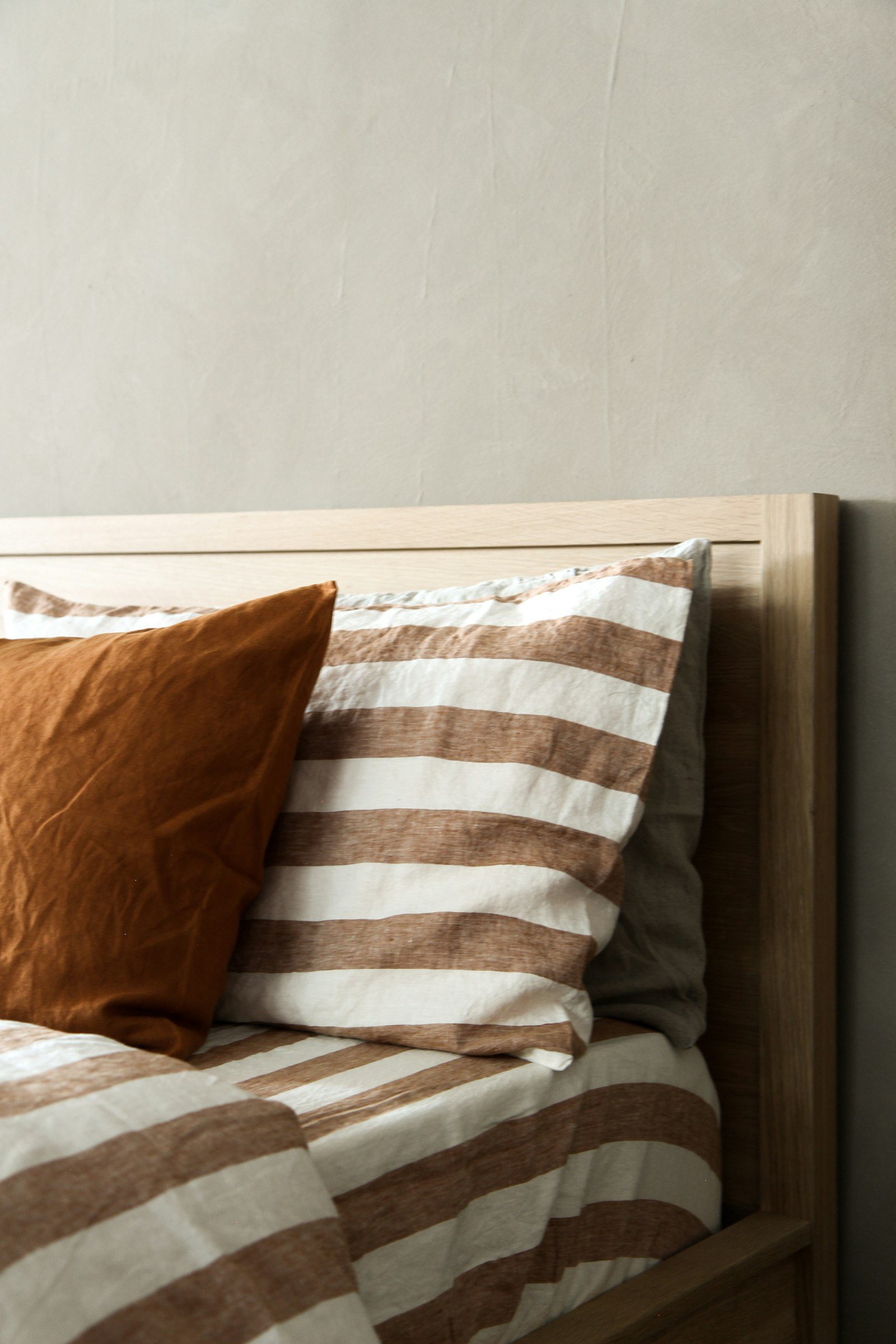
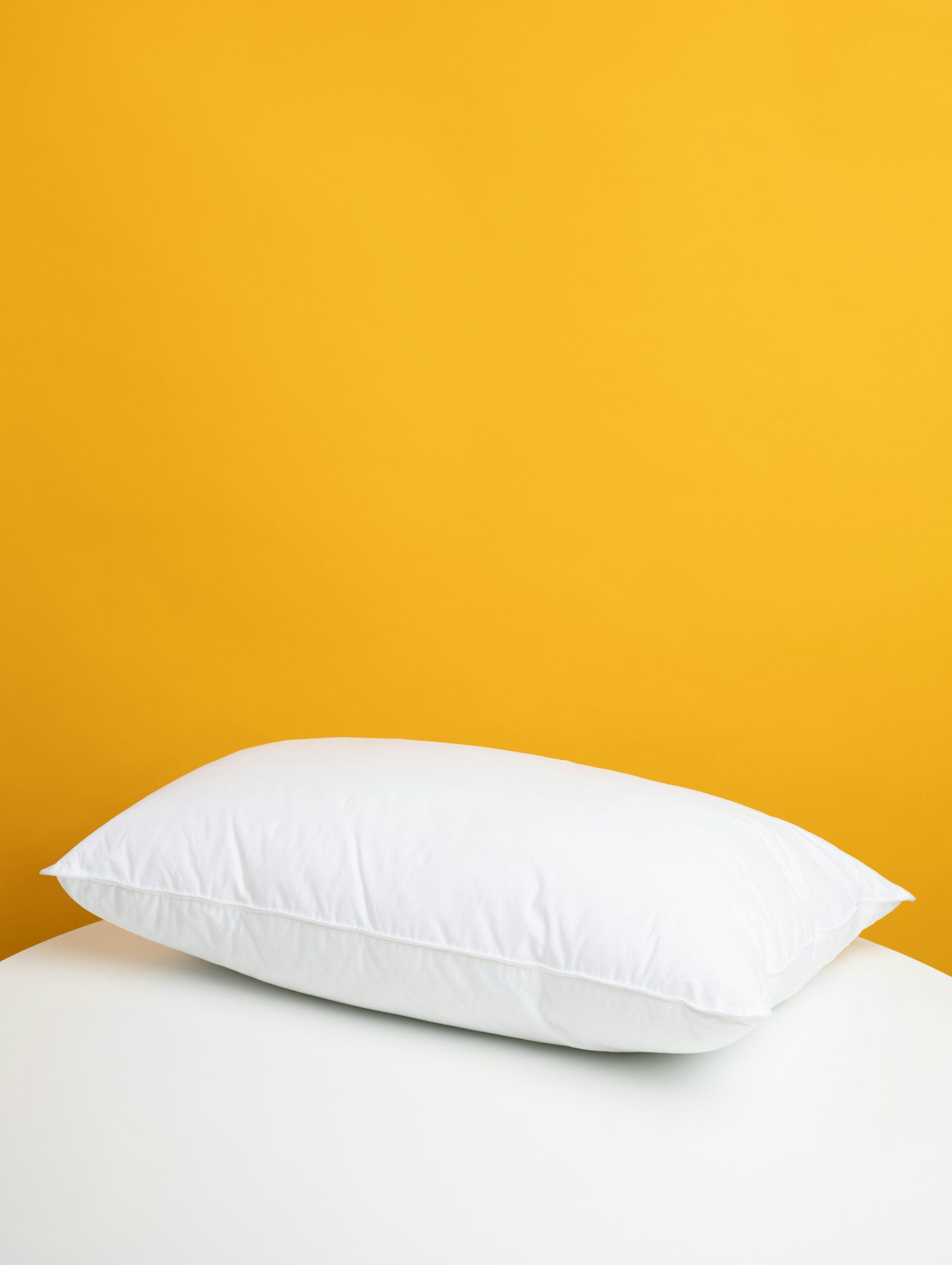
Copper-infused memory foam sounds like a marketing buzzword until you have spent a hot, restless night on an ordinary foam pillow. Then it starts to make sense. Copper is not there to look fancy — it changes how a pillow behaves under your head: how it feels, how warm it gets, and how fresh it stays between washes. Here is a plain-English guide to what copper actually does in a pillow, who benefits most, and how to choose one that suits the way you sleep.
What Is Copper-Infused Memory Foam?
Copper-infused memory foam is standard viscoelastic foam with copper particles — usually copper gel, copper powder, or copper-infused fabric — blended into or applied to the material. The copper does not make the pillow harder or softer in any dramatic way. What it does is add two practical qualities: heat conductivity and antimicrobial protection.
Think of it as memory foam that has been given a job beyond cushioning. Foam does the ergonomic work; copper handles the hygiene and temperature side of the equation.
The Two Real Benefits of Copper
1. It pulls heat away from your head
Ordinary memory foam is a warm material by nature. It softens with body heat, which is exactly why it molds so well — but it also means trapped warmth builds up through the night. That build-up is the number one complaint people have about foam pillows.
Copper is an excellent thermal conductor. Heat moves through it far more readily than through air pockets or polyester fill, which means warmth spreads and dissipates instead of pooling behind your neck. The result is subtle but real: you flip the pillow less, and you wake up with a cooler, drier head.
2. It helps the pillow stay fresher
Every pillow absorbs sweat, skin oils, and dead skin cells — that is simply what happens when you press your face into something for eight hours a night. That environment is comfortable for dust mites and odor-causing bacteria too.
Copper has well-documented antimicrobial properties. Copper-infused foam does not make a pillow self-cleaning, and it is not a substitute for washing your pillowcase. But it does help slow the build-up of microbes and smells inside the foam itself — which matters a lot, because unlike a pillowcase, the foam core usually cannot go in the washing machine.
Who Benefits Most
- Hot sleepers. If you wake with a warm, damp pillow or push it away in the night, copper’s heat-spreading behaviour is worth having.
- People in warm, humid climates. High humidity makes heat feel heavier. A cooler-feeling pillow surface makes a bigger difference than you might expect.
- Allergy and sensitivity sufferers. Less microbial build-up in the core means less to react to. Pair it with a washable protector for the full effect.
- Anyone who keeps pillows a long time. Fresher foam stays pleasant to use for more of its lifespan.
What Copper Does Not Do
This is where honest product advice matters. Copper-infused foam will not cure neck pain on its own, and it will not replace the need for the right loft and firmness. If your pillow is the wrong height for your sleeping position, no additive will fix it.
It also does not make a pillow washable, and it does not mean you can skip a pillowcase. Copper is a supporting feature, not the main event. Support comes from shape and density; copper improves the comfort and hygiene around it.
How to Choose a Copper-Infused Pillow
Match the loft to your sleeping position
This matters more than the copper label. Back sleepers need a medium loft that keeps the head level without pushing the chin toward the chest. Side sleepers need a higher loft to fill the shoulder-to-ear gap. Stomach sleepers need a low profile, because a thick pillow twists the neck.
Look for slow, even rebound
Press the pillow with your palm. Quality memory foam recovers over a second or two — not instantly like a spring, and not so slowly that the dent stays. Slow rebound means the foam is responding to your shape rather than fighting it.
Check the cover before the copper content
A breathable, removable, washable cover will do more for your nightly comfort than a few extra percent of copper. Look for a stretch knit or ventilated cover, and confirm it can be laundered.
Consider the contour
A contoured pillow with a neck ridge and a head cradle holds your cervical spine in a supported, neutral line. Combined with copper-infused foam, you get ergonomic support plus heat and hygiene management in the same pillow — the combination most worthwhile for people who wake up stiff and warm.
A Simple Care Routine
Copper helps, but habits finish the job. Wash your pillowcase weekly. Air the pillow in indirect sunlight every couple of weeks to release trapped moisture. Use a waterproof protector on the foam, and never machine-wash or tumble-dry the foam core itself — spot clean and air dry instead. Replace the pillow when it stops springing back or has lost height at the centre, typically every 18 to 24 months with regular use.
The Takeaway
Copper-infused memory foam is not a gimmick, but it is also not magic. It is a sensible upgrade for people who want the pressure relief and shape retention of memory foam without the warmth and staleness that cheap foam pillows are known for. Get the loft and firmness right first, then let copper handle the rest.
Ready for a cooler, fresher night? Explore IDEEComfort’s copper-infused and ergonomic memory foam pillows and find the loft and contour that fits the way you actually sleep.