
If you wake up with a stiff neck, a dull headache, or that nagging ache between your shoulders, your pillow might be the quiet culprit. The truth is, the perfect pillow isn’t the fluffiest or the most expensive one on the shelf — it’s the one that keeps your head, neck, and spine in a healthy, neutral line all night long. And for most people, that pillow is made of memory foam.
Here’s how to choose the right memory foam pillow for the way you actually sleep.
Why Memory Foam Works So Well
Memory foam was originally developed for NASA to cushion astronauts during takeoff, and it’s brilliant at one thing: pressure relief. When you lay your head down, the foam softens and contours around the exact shape of your head and neck, cradling it evenly. This spreads your weight across a larger surface, which eases pressure points and helps your neck stay supported in its natural curve instead of being propped up at an awkward angle.
That is why so many sleepers find relief with a quality memory foam pillow — the support adapts to you, not the other way around.
Match the Pillow to Your Sleeping Position
Back Sleepers
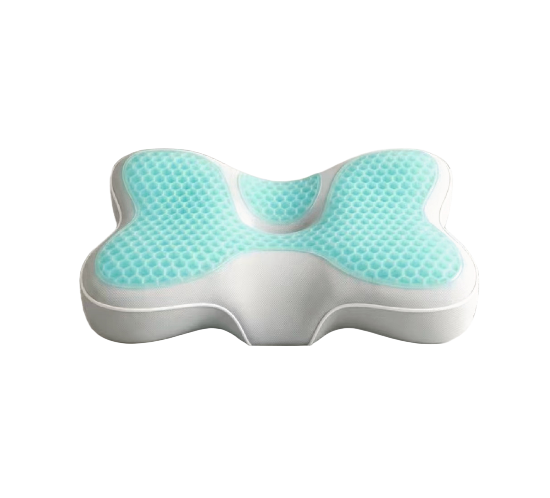
Back sleepers need a pillow that is medium height and firm enough to support the natural curve of the neck without tilting the head forward. A contoured memory foam pillow with a gentle dip in the center is ideal — it cradles the head while keeping your neck aligned with your spine.
Side Sleepers
Side sleepers typically need a thicker, firmer pillow to fill the gap between the ear and the outer shoulder. A higher loft memory foam pillow keeps the spine straight and prevents that “craned neck” feeling you get when the pillow is too flat.
Stomach Sleepers
Stomach sleeping puts the most strain on the neck, so the best pillow is a very thin, soft one — or even none at all. A low-profile memory foam pillow provides just enough cushioning without forcing the head upward.
What to Look For in a Quality Memory Foam Pillow
- Firmness & density: Higher-density foam offers more support and lasts longer, while lower-density foam feels softer and more plush.
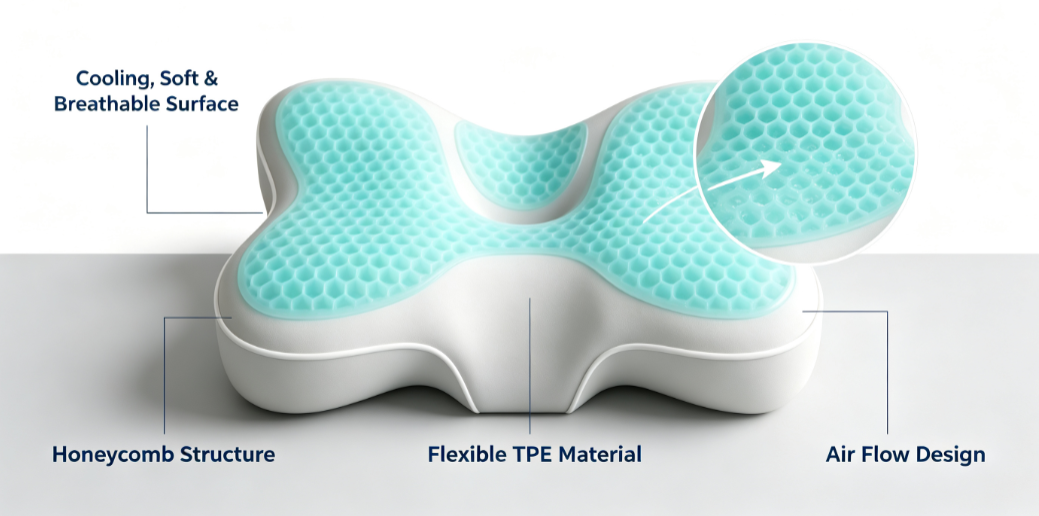
- Breathability: Look for copper-infused or gel memory foam, which helps draw heat away from your head and keeps you cooler through the night.
- Removable, washable cover: A zippered, machine-washable cover keeps your pillow fresh and extends its life.
- Hypoallergenic materials: Memory foam naturally resists dust mites and allergens, making it a smart choice for sensitive sleepers.
Give Your Body a Few Nights to Adjust
Memory foam responds to your body heat, so a new pillow needs a little time to “break in.” Don’t judge it on the first night — give it three to five nights to soften and adapt to your shape. If you still feel discomfort after that, it may simply not be the right loft for your body type or sleeping position.
Your Best Night’s Sleep Starts Here
Choosing the right pillow is one of the simplest, most affordable upgrades you can make to your sleep. Whether you need plush support, a cooling copper-infused feel, or an ergonomic contoured design, a well-chosen memory foam pillow can make mornings feel completely different.
At IDEEComfort, we design memory foam pillows and ergonomic sleep solutions with your comfort in mind — because a better pillow means better rest, and better rest means a better you. Find the pillow that fits the way you sleep and wake up feeling refreshed.